Let's be honest: brands aren't really into events. They're into something far more powerful—experiences that break through the noise of traditional advertising and create genuine human connection.
The Death of Passive Advertising
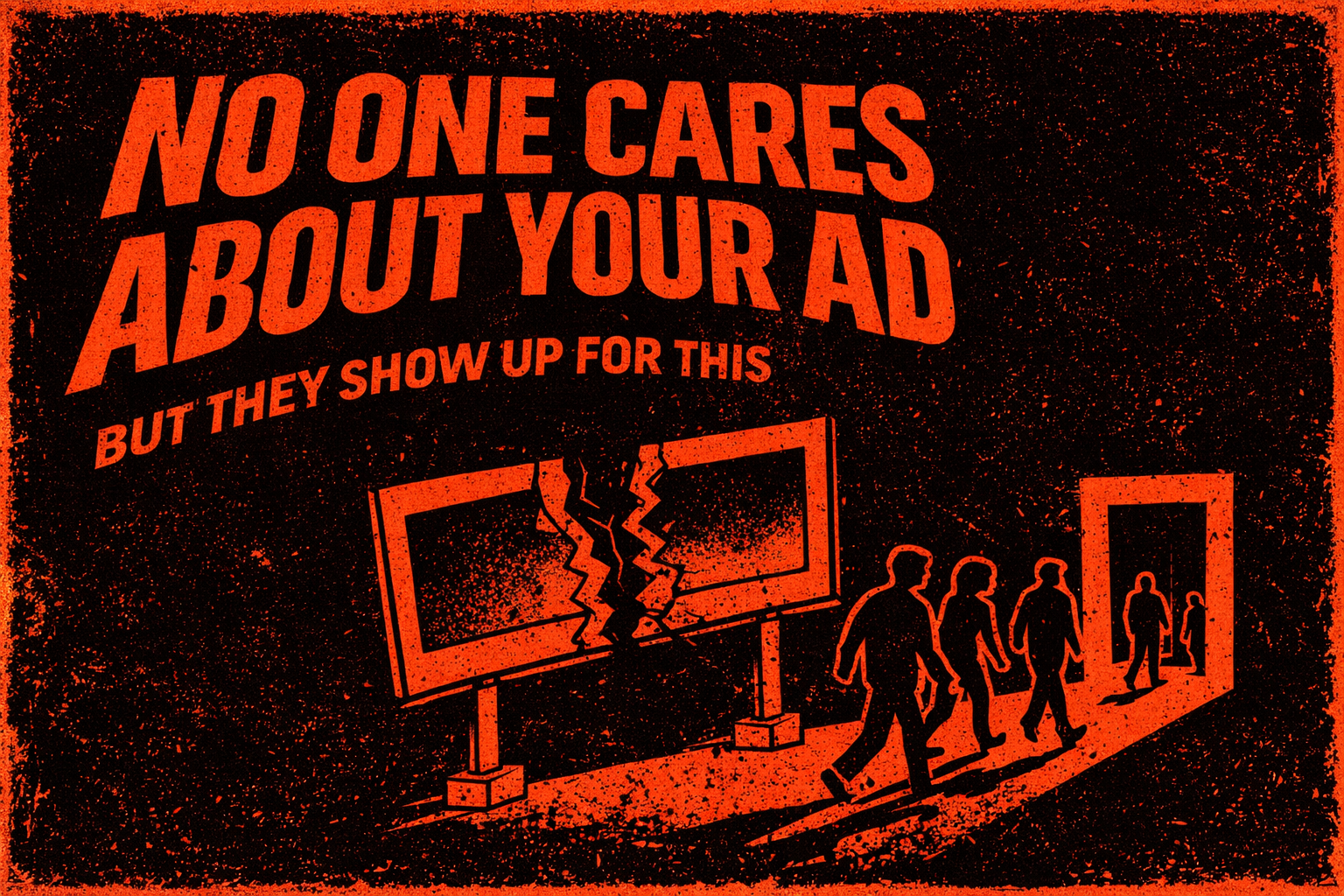
Billboards, TV commercials, banner ads—they all share a common weakness. They interrupt people who didn't ask to see them. The average person encounters 4,000-10,000 ads daily, and we've become experts at tuning them out.
Experiential marketing flips this dynamic. Instead of interrupting potential customers, brands create experiences that people actively seek out, participate in, and remember long after the event ends.
Why Experiential Marketing Works
When someone attends a brand experience—whether it's a pop-up installation, an immersive workshop, or a sponsored festival—they're making an active choice. They're investing their time, which makes them far more receptive to the brand message.
"People don't remember ads. They remember experiences."
More importantly, these experiences create emotional connections. A well-executed brand event doesn't just communicate product features—it creates feelings, memories, and stories that attendees share organically with their networks.
The ROI of Experience
Traditional advertising metrics like impressions and reach feel hollow compared to experiential marketing's measurable impact: social media amplification, direct customer conversations, product trials, and long-term brand loyalty.
Brands that invest in experiential marketing aren't just buying attention—they're building relationships. And in a world where consumers are increasingly skeptical of traditional advertising, that relationship is everything.
Events aren't the future of marketing because they're trendy. They're the future because they're effective—creating the kind of authentic engagement that no billboard ever could.